
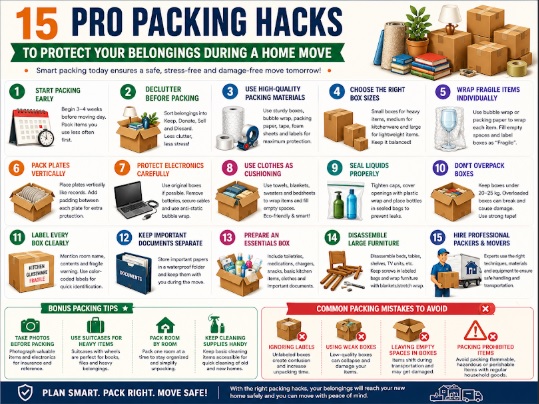
Moving to a new home is a major life event. While the excitement of starting fresh in a new place is hard to beat, the actual process of packing and shifting can be overwhelming. From fragile glassware and expensive electronics to important documents and sentimental belongings, every item needs special attention during relocation. Unfortunately, improper packing is one of the biggest reasons household goods get damaged during transit.
A successful move is not just about transporting items from one location to another—it is about ensuring everything reaches your new home safely and in the same condition as before. This is why professional movers invest significant time and effort into planning and packing. Whether you are relocating within the city or moving to a completely different state, following proven packing techniques can save you from unnecessary stress, expenses, and last-minute surprises.
Many families trust experienced relocation companies like Lokseva Packers and Movers because professional packing methods significantly reduce the risk of damage and make the entire moving process more organized. If you are preparing for an upcoming relocation, these expert packing hacks will help you protect your belongings and enjoy a smoother moving experience.
One of the most common mistakes people make is delaying packing until the last few days before relocation. When packing is rushed, items are often packed carelessly, labels are forgotten, and important belongings can easily go missing.
Ideally, begin packing at least three to four weeks before your moving date. Start with items that are not used daily, such as seasonal clothing, books, decorations, guest-room items, and extra kitchen utensils.
Early preparation allows you to pack carefully, purchase necessary packing materials, and stay organized throughout the moving process. It also gives you enough time to identify fragile items that may require extra protection.
Moving is the perfect opportunity to reduce unnecessary clutter. Many homeowners spend money transporting items they no longer use, only to store them again in the new house.
Before packing, sort your belongings into four categories:
Professional relocation experts often recommend decluttering before any move because it allows better organization and more efficient use of packing materials.
Your belongings are only as safe as the materials protecting them.
Using weak cartons, low-quality tape, or inadequate cushioning can lead to damaged household goods during transportation. Investing in quality packing supplies is one of the smartest decisions you can make before a move.
Essential materials include:
The Bureau of Indian Standards (BIS) emphasizes the importance of proper packaging standards for protecting products during handling and transportation. The same principle applies when relocating household goods.
Not every item belongs in the same type of box.
Large cartons should never be overloaded with heavy objects because they become difficult to lift and are more likely to collapse.
A better approach is:
Balanced weight distribution makes boxes safer to handle and easier to transport.
Fragile belongings deserve extra protection.
Glassware, ceramic dishes, decorative items, mirrors, and artwork should always be wrapped individually before being placed inside cartons.
For maximum safety:
Many people stack plates horizontally, which places excessive pressure on the lower plates.
Professional packers recommend storing plates vertically, similar to how records are stored. This method distributes pressure more evenly and reduces the risk of cracks and breakage.
Adding foam sheets or bubble wrap between plates provides an additional layer of protection.
Electronics are among the most valuable items in most homes.
Whenever possible, pack electronics in their original boxes because they are designed specifically for safe transportation.
Before packing:
These simple precautions make unpacking and reinstallation much easier.
Instead of purchasing excessive amounts of packing material, make use of items you already have.
Soft household fabrics such as:
can provide excellent cushioning for fragile items.
This practical packing trick helps reduce costs while providing effective protection during transit.
Leaking liquids can damage clothes, electronics, important documents, and furniture.
To prevent accidents:
Keeping liquids separate from sensitive items provides additional protection.
Overloaded cartons are difficult to carry and more likely to tear or collapse.
A good rule is to keep box weight below 20–25 kilograms.
Always reinforce the bottom of cartons with additional tape to improve strength and durability during transportation.
Labeling is one of the simplest yet most overlooked packing strategies.
Each carton should include:
For example:
Kitchen – Glassware – Fragile
Color-coded labels can make unpacking even easier and help movers place boxes in the correct rooms.
Documents should never be packed alongside regular household goods.
Important items include:
Store them in a waterproof folder and carry them personally during the move.
You may also consider maintaining secure digital copies through resources promoted under the Digital India initiative.
The first day in a new home is often hectic.
Instead of searching through multiple cartons, prepare a dedicated essentials box containing:
Having immediate access to daily necessities makes settling into your new home much easier.
Large furniture is more vulnerable to scratches and damage during transportation.
Whenever possible, dismantle:
Store screws and fittings in labeled zip-lock bags and attach them securely to the furniture.
Wrapping furniture with blankets or stretch film provides additional protection.
Even with the best packing practices, professional assistance can make a huge difference.
Experienced movers have the expertise, equipment, and materials needed to handle relocation safely and efficiently.
Professional services typically include:
Whether you are relocating within the city or planning a long-distance move, trusted services like Packers and Movers Aurangabad and Packers and Movers Ahmednagar can help ensure a smooth and hassle-free relocation experience.
Take photographs of electronics, furniture, and valuables before packing. These images can be useful for insurance purposes if damage occurs during transit.
Books, files, and documents can become extremely heavy. Rolling suitcases make transporting them much easier.
Packing room by room keeps everything organized and simplifies unpacking.
You may need to clean both your old and new homes on moving day, so keep basic cleaning materials within easy reach.
Unlabeled cartons create confusion and increase unpacking time.
Low-quality cartons are more likely to collapse during handling.
Items can shift during transportation and become damaged if cartons are not packed tightly.
Avoid packing flammable, hazardous, or perishable goods with regular household items.
For additional consumer guidance regarding transportation and service-related concerns, you may visit the National Consumer Helpline, a trusted Government of India platform for consumer support.
Packing plays a crucial role in determining the success of any relocation. A well-organized packing strategy helps protect your belongings, reduces stress, and makes settling into your new home much easier.
By following these 15 professional packing hacks, you can safeguard everything from delicate glassware to expensive electronics and important documents. Starting early, using quality materials, labeling carefully, and maintaining proper organization will significantly improve your moving experience.
For those seeking complete peace of mind, partnering with experienced professionals such as Lokseva Packers and Movers can make the entire relocation process safer, faster, and far more convenient. With proper planning and expert support, you can focus less on the challenges of moving and more on enjoying your new home.